We

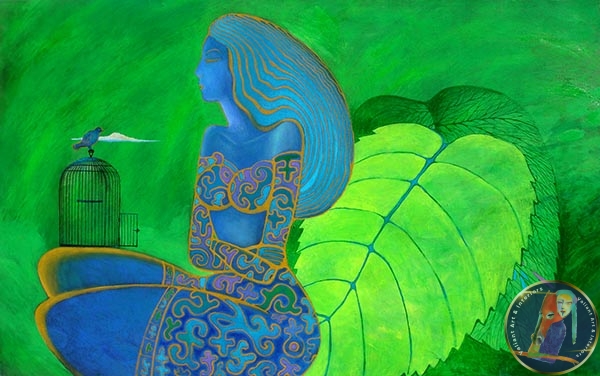
Tuya Natsagdorj , 2006 , Oil On Canvas

1. Composition and Subject Matter

The painting is a wide, horizontally oriented figurative composition that explores themes of collective identity, human connection, and shared existence, as suggested by its title, “We”.

As a prominent female voice in contemporary Mongolian art—with deep training stretching from Ulaanbaatar to Kiev and Kyoto—Natsagdorj blends traditional Mongolian symbolic motifs with elements of international modernism. The focal point of the canvas features stylized human figures (predominantly female or gender-neutral, symbolic forms) integrated closely together. Rather than distinct, isolated portraits, the figures merge organically, sharing overlapping silhouettes and fluid structural lines to emphasize a collective, unified state of being.

2. Color Palette and Atmosphere

The color palette heavily leverages deep, atmospheric blues, cooler tones, and earthy undertones, a signature of Natsagdorj’s symbolist work.

  • Dominant Tones: Indigo, cerulean, and rich blues evoke a spiritual, timeless landscape, reminiscent of the traditional Mongolian reverence for the “Eternal Blue Sky.”

  • Highlights: Soft flesh tones, muted ochres, or subtle ornamental highlights emerge from the cool background, pulling the figures into focus.

  • Mood: The interaction of light and dark creates a contemplative, slightly mysterious, and deeply poetic atmosphere. It steers away from harsh realism, opting instead for a dreamlike, allegorical space.

3. Style and Technique

The canvas demonstrates a sophisticated synthesis of different artistic lineages:

  • The Fludity of Scene Painting: Reflecting Natsagdorj’s training in scene painting in Kiev, the composition has an expansive, theatrical presence, using the 80 x 130 cm space to create a panoramic sense of narrative scale.

  • Ornamental Symbolism & Clarity: Influenced by both Mongolian decorative traditions and her time studying in Kyoto, Japan, the lines are deliberate, fluid, and elegant. The anatomy of the figures is semi-abstracted into smooth, sweeping curves, prioritizing expressive form over anatomical precision.

  • Texture: The oil paint is applied with varied density—smooth, translucent layers are juxtaposed against richer, textured brushstrokes that catch the light, adding physical depth to the canvas surface.

4. Interpretation and Symbolism

By naming the piece “We”, the artwork transcends individual identity to touch upon universal human relationships, kinship, and the common thread binding humanity or womanhood together. The figures seem to look both inward toward one another and outward toward the viewer, acting as an emotional mirror. The painting beautifully balances the vastness of the outer world with the intimate, delicate nature of internal human connection.
  • Tuya Natsagdorj
  • Ulaanbaatar, Mongolia
  • Abstract, Expressionist, Figurative, Modern/Contemporary, Still Life
  • Oil on canvas
  • TUY49/016
  • 80 x 130cm31" x 51"
  • Valiant Art & Interiors

Add Your Comment

Mongolian Art Gallery © 2025. All Rights Reserved
Privacy Policy / Terms of Use

1. Composition and Subject Matter

The painting is a wide, horizontally oriented figurative composition that explores themes of collective identity, human connection, and shared existence, as suggested by its title, “We”.

As a prominent female voice in contemporary Mongolian art—with deep training stretching from Ulaanbaatar to Kiev and Kyoto—Natsagdorj blends traditional Mongolian symbolic motifs with elements of international modernism. The focal point of the canvas features stylized human figures (predominantly female or gender-neutral, symbolic forms) integrated closely together. Rather than distinct, isolated portraits, the figures merge organically, sharing overlapping silhouettes and fluid structural lines to emphasize a collective, unified state of being.

2. Color Palette and Atmosphere

The color palette heavily leverages deep, atmospheric blues, cooler tones, and earthy undertones, a signature of Natsagdorj’s symbolist work.

  • Dominant Tones: Indigo, cerulean, and rich blues evoke a spiritual, timeless landscape, reminiscent of the traditional Mongolian reverence for the “Eternal Blue Sky.”

  • Highlights: Soft flesh tones, muted ochres, or subtle ornamental highlights emerge from the cool background, pulling the figures into focus.

  • Mood: The interaction of light and dark creates a contemplative, slightly mysterious, and deeply poetic atmosphere. It steers away from harsh realism, opting instead for a dreamlike, allegorical space.

3. Style and Technique

The canvas demonstrates a sophisticated synthesis of different artistic lineages:

  • The Fludity of Scene Painting: Reflecting Natsagdorj’s training in scene painting in Kiev, the composition has an expansive, theatrical presence, using the 80 x 130 cm space to create a panoramic sense of narrative scale.

  • Ornamental Symbolism & Clarity: Influenced by both Mongolian decorative traditions and her time studying in Kyoto, Japan, the lines are deliberate, fluid, and elegant. The anatomy of the figures is semi-abstracted into smooth, sweeping curves, prioritizing expressive form over anatomical precision.

  • Texture: The oil paint is applied with varied density—smooth, translucent layers are juxtaposed against richer, textured brushstrokes that catch the light, adding physical depth to the canvas surface.

4. Interpretation and Symbolism

By naming the piece “We”, the artwork transcends individual identity to touch upon universal human relationships, kinship, and the common thread binding humanity or womanhood together. The figures seem to look both inward toward one another and outward toward the viewer, acting as an emotional mirror. The painting beautifully balances the vastness of the outer world with the intimate, delicate nature of internal human connection.