
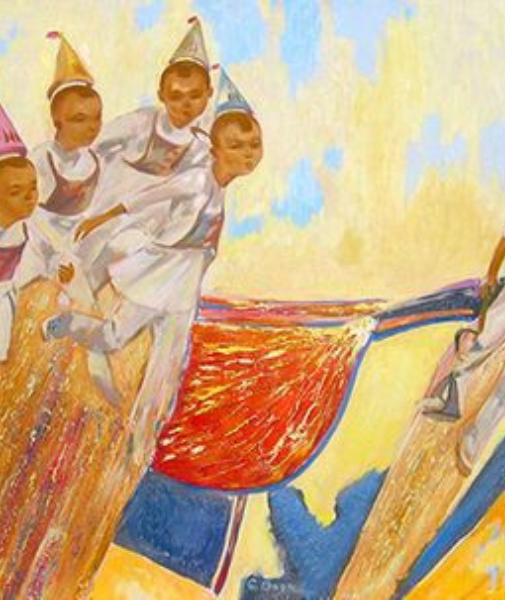
First Five

Bayarbaatar Selee , 2005 , Oil On Canvas

In the expansive and atmospheric First Five, Bayarbaatar Selee captures the profound, elemental connection between the Mongolian landscape and the “five snouts”—the vital livestock that define the nomadic way of life. Measuring 60.5 x 100 cm (23″ x 39″), this 2005 oil on canvas utilizes a panoramic horizontal format to celebrate these iconic symbols of survival, heritage, and prosperity. The unique selling point of this piece is its remarkable “atmospheric architecture,” where Selee’s signature, rhythmic impasto brings a tactile, sculptural quality to the animals, allowing them to emerge from a dreamlike, hazy background rendered in soft, ethereal glazes. This sophisticated duality of texture and light imbues the composition with a sense of quiet, kinetic energy, as if the herd is moving in harmony with the vast, breathing horizon of the steppe. For the discerning collector, First Five is a premium, high-impact acquisition—a sophisticated and emotionally weighty masterpiece that bridges the gap between historical tradition and contemporary surrealism, anchoring any refined interior with its sense of timelessness and cultural depth.

About the Artist

Born in 1964 in Ulaanbaatar, Mongolia, Bayarbaatar Selee is an acclaimed contemporary artist renowned for his ability to translate the raw, austere beauty of the Mongolian landscape and the authentic rhythms of daily life into deeply resonant, high-impact figurative works. His practice is characterized by a sophisticated, nuanced approach to light and composition, often focusing on themes of heritage, resilience, and the intimate connections between people and their environment. With a career spanning decades, Selee has earned significant recognition for his evocative, painterly style, which bridges the gap between traditional realism and contemporary emotional storytelling, securing his place as a vital, enduring voice in modern Central Asian art.
  • Bayarbaatar Selee
  • Early 21st Century
  • Ulaanbaatar, Mongolia
  • Figurative, Landscape, Modern/Contemporary, Nature, Realism
  • Oil on canvas
  • BYR10/012
  • 60.5 x 100cm23" x 39"
  • Mongolian Art Gallery

Add Your Comment

Mongolian Art Gallery © 2025. All Rights Reserved
Privacy Policy / Terms of Use

In the expansive and atmospheric First Five, Bayarbaatar Selee captures the profound, elemental connection between the Mongolian landscape and the “five snouts”—the vital livestock that define the nomadic way of life. Measuring 60.5 x 100 cm (23″ x 39″), this 2005 oil on canvas utilizes a panoramic horizontal format to celebrate these iconic symbols of survival, heritage, and prosperity. The unique selling point of this piece is its remarkable “atmospheric architecture,” where Selee’s signature, rhythmic impasto brings a tactile, sculptural quality to the animals, allowing them to emerge from a dreamlike, hazy background rendered in soft, ethereal glazes. This sophisticated duality of texture and light imbues the composition with a sense of quiet, kinetic energy, as if the herd is moving in harmony with the vast, breathing horizon of the steppe. For the discerning collector, First Five is a premium, high-impact acquisition—a sophisticated and emotionally weighty masterpiece that bridges the gap between historical tradition and contemporary surrealism, anchoring any refined interior with its sense of timelessness and cultural depth.

About the Artist

Born in 1964 in Ulaanbaatar, Mongolia, Bayarbaatar Selee is an acclaimed contemporary artist renowned for his ability to translate the raw, austere beauty of the Mongolian landscape and the authentic rhythms of daily life into deeply resonant, high-impact figurative works. His practice is characterized by a sophisticated, nuanced approach to light and composition, often focusing on themes of heritage, resilience, and the intimate connections between people and their environment. With a career spanning decades, Selee has earned significant recognition for his evocative, painterly style, which bridges the gap between traditional realism and contemporary emotional storytelling, securing his place as a vital, enduring voice in modern Central Asian art.