

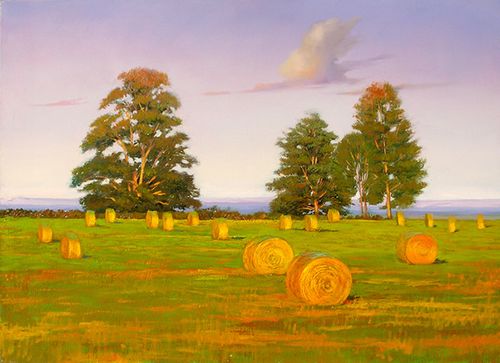
This painting, titled Tree (2007), is a poignant example of the late Mongolian artist Batjargal Tseintsogzol’s mastery of photorealism and his deep-seated connection to the natural world.
Executed in oil on a 63 x 83 cm canvas, the work is a meditative study of form, endurance, and the stark beauty found in the Mongolian landscape.
Visual Analysis
At first glance, the painting appears almost like a high-resolution photograph. Tseintsogzol utilizes the photorealistic style to capture the intricate textures of the tree’s bark and the delicate, skeletal reach of its branches.
Composition: The tree is the singular, central protagonist of the piece. Set against a minimalist, atmospheric background, its gnarled trunk and sprawling limbs suggest a history of weathering harsh climates.
Color Palette: The artist employs a subdued, earthy palette. The rich browns and greys of the wood contrast with the soft, diffused light of the background, creating a sense of quiet isolation and dignity.
Detailing: Every crack in the bark and every twist in the smaller twigs is rendered with anatomical precision, reflecting the artist’s commitment to Realism.
Context and Style
Batjargal Tseintsogzol (1966–2020) was a prominent figure in Mongolian contemporary art, known for bridging the gap between traditional Mongolian reverence for nature and modern technical precision.
In Tree, there is a clear dialogue between the subject and the void. By isolating the tree, Tseintsogzol invites the viewer to move beyond a simple “landscape” view and instead focus on the individual character of the living organism. The painting reflects a stillness common in his work—a “captured moment” that feels both fleeting and eternal.
