
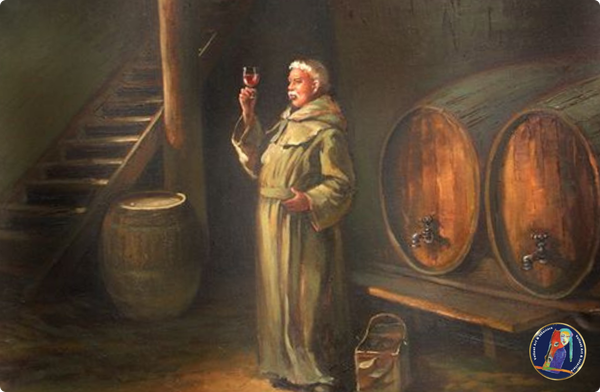
This 2006 oil on canvas by the late Mongolian artist Batjargal Tseintsogzol (1966–2020) is a masterclass in the Photorealist style for which he was renowned. Measuring $77.5 \times 77.5\text{ cm}$, the square format focuses the viewer’s attention entirely on the serene, meditative presence of the subject.
Artistic Composition and Style
Tseintsogzol, a pioneer of modern Mongolian realism, utilizes a tight, intimate framing to capture the monk. The painting transcends a simple portrait, becoming a study of texture and light.
Photorealism & Texture: True to his associated style, the artist meticulously renders the tactile qualities of the monk’s traditional robes. Every fold, crease, and weave of the heavy fabric is captured with such precision that it mimics the depth and clarity of a high-resolution photograph.
The Play of Light: The lighting is soft and directional, casting subtle shadows that define the facial features and the skeletal structure of the hands. This creates a “quiet” atmosphere, emphasizing the internal stillness of the subject.
Nature & Grounding: While the focus is on the human figure, the palette reflects Tseintsogzol’s deep connection to the Mongolian landscape—using earthy ochres, deep reds, and muted browns that suggest a life lived in harmony with the natural world.
Cultural Significance
Born in Ulaanbaatar, Tseintsogzol lived through Mongolia’s transition into a modern state, and his work often sought to preserve the dignity of traditional Mongolian life.
“Monk” serves as a bridge between the ancient spiritual heritage of Mongolia and the meticulous, modern technique of Western Realism.
The painting does not just depict a person; it captures a state of being. The expression of the monk—likely one of contemplative peace—reflects the artist’s ability to find the extraordinary within the ordinary, a hallmark of his career until his passing in 2020.